|
Alamance County - Alamance, Burlington, Elon, Gibsonville, Graham, Green Level, Haw River, Mebane, Ossipee, Swepsonville
Alexander County - Bethlehem, Ellendale Fairview Park, Hiddenite, Isenhour Park, Liledoun, Little River, Midway, Millersville, Rocky Springs,
Stony Point, Taylorsville, Taylorsville Beach, Vashti
Alleghany County - Cherry Lane, Cranberry, Gap Civil, Glade Creek, Piney Creek, Prathers Creek, Sparta, Whitehead
Anson County - Ansonville, Lilesville, McFarlan, Morven, Peachland, Polkton, Wadesboro
Ashe County - Jefferson, Lansing, West Jefferson
Avery County - Banner Elk, Beech Mountain, Crossnore, Elk Park, Gragg, Grandfather, Linville, Minneapolis, Newland, Pineola, Seven Devils, Sugar Mountain
Beaufort County - Aurora, Bath, Belhaven, Chocowinity, Pantego, River Road, Washington, Washington Park
Bertie County - Askewville, Aulander, Colerain, Kelford, Powellsville, Merry Hill, Roxobel, Windsor
Bladen County - Bladenboro, Butters, Clarkton, Dublin, East Arcadia, Elizabethtown, Kelly, Tar Heel, White Lake, White Oak
Brunswick County - Ashe, Bald Head Island, Belville, Boiling Spring Lakes, Bolivia, Calabash, Carolina Shores, Caswell Beach, Holden Beach, Leland, Navassa, Long Beach Northwest, Oak Island, Ocean
Isle Beach, Sandy Creek, Shallotte, Southport, St. James, Supply, Sunset Beach, Varnamtown
Buncombe County - Asheville, Biltmore Forest, Black Mountain, Montreat, Weaverville, Woodfin,
Burke County - Connelly Springs, Drexel, Glen Alpine, Hildebran, Morganton, Rhodhiss, Rutherford College, Valdese
Cabarrus County - Concord, Harrisburg, Kannapolis, Mount Pleasant, Midland
Caldwell County - Blowing Rock, Cajah's Mountain, Cedar Rock, Collettsville, Gamewell, Granite Falls, Hudson, Lenoir, Sawmills, Northlakes, Rhodhiss
Camden County - Camden, Elizabeth City, Shiloh, South Mills
Carteret County - Atlantic Beach, Beaufort, Bogue, Cape Carteret, Cedar Point, Emerald Isle, Indian Beach, Morehead City, Newport, Peletier, Pine Knoll Shores
Caswell County - Blanch, Leasburg, Milton, Pelham, Yanceyville
Catawba County - Brookford, Catawba, Claremont, Conover, Hickory, Lake Norman, Maiden, Mountain View, Newton, Sherrills Ford, Longview, St. Stephens
Chatham County - Fearrington, Goldston, Pittsboro, Siler City
Cherokee County - Andrews, Murphy, Owl Creek, Brasstown
|
Chowan County - Edenton, Tyner, Selwin
Clay County - Brasstown, Elf, Hayesville, Hiawassee, Shooting Creek, Sweetwater, Tusquitte, Warne
Cleveland County - Belwood, Boiling Springs, Casar, Earl, Fallston, Grover, Kings Mountain, Kingstown, Lattimore, Lawndale, Light Oak,
Mooresboro, Patterson Springs, Polkville, Shelby, Waco
Columbus County - Boardman, Bolton, Brunswick, Cerro Gordo, Chadbourn, Evergreen, Fair Bluff, Lake Waccamaw, Nakina, Riegelwood, Tabor
City, Whiteville
Craven County - Brices Creek, Bridgeton, Cove City, Dover, Fairfield Harbour, Havelock, James City, Neuse Forest, New Bern, River Bend,
Trent Woods, Vanceboro, Harlowe, Cherry Point, Cherry Branch
Cumberland County - Eastover, Falcon, Fayetteville, Fort Bragg, Godwin, Hope Mills, Linden, Pope AFB, Spring Lake, Stedman, Vander, Wade
Currituck County - Aydlett, Barco, Carova Beach, Coinjock, Corolla, Currituck, Grandy, Gregory, Harbinger, Knotts Island, Jarvisburg,
Mamie, Maple, Moyock, Point Harbor, Poplar Beach, Powells Point, Sanderling, Shawboro, Sligo, Spot, Waterlily
Dare County - Duck, Kill Devil Hills, Kitty Hawk, Manteo, Nags Head, Southern Shores
Davidson County - Denton, High Point, Lexington, Midway, Silver Hill, Thomasville, Wallburg
Davie County - Bermuda Run, Cooleemee, Mocksville
Duplin County - Beulaville, Calypso, Chinquapin, Faison, Fountaintown, Greenevers, Harrells, Kenansville, Magnolia, Rose Hill, Sarecta,
Teachey, Wallace, Warsaw
Durham County - Durham
Edgecombe County - Conetoe, Leggett, Macclesfield, Pinetops, Princeville, Rocky Mount, Sharpsburg, Speed, Tarboro, Whitakers, Houseville
Forsyth County - Bethania, Clemmons, Kernersville, High Point, King, Lewisville, Rural Hall, Tobaccoville, Walkertown, Winston-Salem
Franklin County - Bunn, Centerville, Franklinton, Louisburg, Youngsville
Gaston County - Belmont, Bessemer City, Cherryville, Cramerton, Dallas, Dellview, Gastonia, High Shoals, Kings Mountain, Lowell,
McAdenville, Mount Holly, Ranlo, Spencer Mountain, Stanley
Gates County - Gatesville
Graham County - Lake Santeetlah, Robbinsville
Granville County - Oxford
Greene County - Hookerton, Snow Hill, Walstonburg
Guilford County - Greensboro, High Point, Jamestown, Oak Ridge, Pleasant Garden, Sedalia, Stokesdale, Summerfield, Whitsett, Browns Summit, Gibsonville
|
Halifax County - Aurelian Springs, Brinkleyville, Enfield, Halifax, Heathsville, Hobgood, Littleton, Roanoke Rapids, Scotland Neck, South Rosemary, South Weldon, Weldon
Harnett County - Angier, Coats, Dunn, Erwin, Lillington
Haywood County - Canton, Clyde, Lake Junaluska, Maggie Valley, Waynesville, West Canton
Henderson County - Balfour, Barker Heights, Bat Cave, East Flat Rock, Etowah, Flat Rock, Fletcher, Fruitland, Hendersonville, Laurel
Park, Mills River, Mountain Home, Saluda, Tuxedo, Valley Hill, Zirconia
Hertford County - Ahoskie, Cofield, Como, Harrellsville, Murfreesboro, Winton
Hoke County - Ashley Heights, Bowmore, Dundarrach, Five Points, Raeford, Rockfish, Silver City
Hyde County - Engelhard, Fairfield, Scranton, Ocracoke, Swan Quarter
Iredell County - Harmony, Love Valley, Mooresville, Statesville, Troutman, Davidson
Jackson County - Balsam, Scott Creek, Cashiers, Cullowhee, Dillsboro, Forest Hills, Glenville, Hamburg, Highlands, Savannah, Sylva, Webster
Johnston County - Archer Lodge, Benson, Clayton, Four Oaks, Kenly, Micro, Pine Level, Princeton, Selma, Smithfield, West Smithfield, Wilson's Mills
Jones County - Maysville, Pollocksville, Trenton
Lee County - Broadway, Cumnock, Sanford, Lemon Springs, Tramway
Lenoir County - Grifton, Kinston, La Grange, Pink Hill, Deep Run
Lincoln County - Boger City, Denver, Iron Station, Lincolnton, Lowesville, Westport, Vale
Macon County - Franklin, Highlands
Madison County - Hot Springs, Mars Hill, Marshall
Martin County - Bear Grass, Everetts, Hamilton, Hassell, Jamesville, Oak City, Parmele, Robersonville, Williamston
McDowell County - Marion, Old Fort
Mecklenburg County - Charlotte, Cornelius, Davidson, Huntersville, Matthews, Mint Hill, Pineville
Mitchell County - Bakersville, Spruce Pine
Montgomery County - Biscoe, Candor, Mount Gilead, Star, Troy
Moore County - Aberdeen, Cameron, Carthage, Foxfire, Pinebluff, Pinehurst, Robbins, Seven Lakes, Southern Pines, Taylortown, Vass, West End, Whispering Pines
Nash County - Bailey, Battleboro, Castalia, Dortches, Middlesex, Nashville, Red Oak, Rocky Mount, Spring Hope, Whitakers
|
New Hanover County - Carolina Beach, Kure Beach, Wilmington, Wrightsville Beach, Fort Fisher
Northhampton County - Conway, Garysburg, Gaston, Jackson, Lasker, Rich Square, Seaboard, Severn, Woodland
Onslow County - Half Moon, Holly Ridge, Jacksonville, North Topsail Beach, Piney Green, Pumpkin Center, Richlands, Sneads Ferry, Swansboro
Orange County - Carrboro, Chapel Hill, Hillsborough
Pamlico County - Alliance, Arapahoe, Bayboro, Grantsboro, Mesic, Minnesott Beach, Oriental, Stonewall, Vandemere, Maribel, Florence,
Merritt, Reelsboro, Hobucken, Lowland, Olympia
Pasquotank County - Elizabeth City, Nixonton
Pender County - Atkinson, Burgaw, St. Helena, Surf City, Topsail Beach, Watha, Willard
Perquimans County - Hertford, Winfall
Person County - Roxboro
Pitt County - Ayden, Bethel, Falkland, Farmville, Fountain, Greenville, Grifton, Grimesland, Simpson, Stokes, Winterville
Polk County - Columbus, Saluda, Tryon,
Randolph County - Archdale, Asheboro, Franklinville, High Point (part), Liberty, Ramseur, Randleman, Seagrove, Staley, Trinity
Richmond County - Dobbins Heights, East Rockingham, Ellerbe, Hamlet,
Hoffman, Norman, Rockingham, Cordova
Robeson County - Fairmont, Lumber Bridge, Marietta, Maxton, McDonald, Orrum, Parkton, Pembroke, Proctorville, Raynham, Red Springs, Rennert, Rowland, St. Pauls
Rockingham County - Eden, Madison, Mayodan, Reidsville, Stoneville,
Wentworth
Rowan County - China Grove, Cleveland, East Spencer, Enochville, Faith, Granite Quarry, Kannapolis, Landis, Rockwell, Salisbury, Spencer
Rutherford County - Alexander Mills , Bostic, Chimney Rock, Ellenboro, Forest City, Lake Lure, Ruth, Rutherfordton, Spindale
Sampson County - Autryville, Bonnetsville, Clinton, Delway, Garland, Harrells, Ingold, Ivanhoe, Keener, Newton Grove, Plain View, Roseboro, Salemburg, Spiveys Corner, Turkey, Vann Crossroads
Scotland County - East Laurinburg, Gibson, Laurel Hill, Laurinburg, Wagram
Stanly County - Albemarle, Badin, Locust, New London, Norwood, Oakboro, Richfield, Stanfield, Misenheimer, Red Cross
Stokes County - Danbury, King, Walnut Cove
Surry County - Dobson, Elkin, Mount Airy, Pilot Mountain
|
Swain County - Bryson City, Cherokee, Whittier
Transylvania County - Balsam Grove, Brevard, Pisgah Forest, Rosman
Tyrrell County - Columbia, Jerry, Pleasant View
Union County - Fairview, Hemby Bridge, Indian Trail, Lake Park, Marshville, Marvin, Mineral Springs, Monroe, Stallings, Unionville,
Waxhaw, Weddington, Wesley Chapel, Wingate
Vance County - Henderson, Kittrell, Middleburg, South Henderson
Wake County - Apex, Cary, Durham, Fuquay-Varina, Garner, Holly Springs, Knightdale, Morrisville, Raleigh, Rolesville, Wake Forest,
Wendell, Zebulon,
Warren County - Macon, Norlina, Warrenton
Washington County - Creswell, Plymouth, Roper
Watauga County - Boone, Beech Mountain, Blowing Rock, Seven Devils
Wayne County - Brogden, Dudley, Elroy, Eureka, Fremont, Goldsboro, Mar-Mac, Mount Olive, Pikeville, Seven Springs, Walnut Creek, Grantham
Wilkes County - North Wilkesboro, Ronda, Wilkesboro
Wilson County - Black Creek, Elm City, Lucama, Saratoga, Sims, Stantonsburg, Wilson
Yadkin County - Boonville, East Bend, Jonesville, Yadkinville
Yancey County - Burnsville, Green Mountain, Swiss
Cherokee County South Carolina - Chesnee, Gaffney, Blacksburg, Smyrna, Cherokee Falls, East Gaffney, Cashion, Crossroads, Draytonville
Goucher, Grassy Pond, Kings Creek, Macedonia, State Line, Thicketty
Spartanburg County South Carolina - Campobello, Central Pacolet, Chesnee, Cowpens, Duncan, Greer, Inman, Landrum, Lyman, Pacolet, Reidville, Spartanburg, Wellford, Woodruff, Campton, Cashville, Cherokee Springs, Crescent, Holly Springs, Little Africa, Little Chicago, Moore, New Prospect, Pelham, Stone Station, Switzer, Una, White Stone
Carter County Tennessee - Elizabethton, Johnson City, Watauga, Big Spring, Bitter End, Butler, Carter, Fish Springs, Laurel Fork, Stoney Creek, Tiger Valley, Winner
Johnson County Tennessee - Mountain City, Butler, Crandull, Doe Valley, Doeville, Laurel Bloomery, Midway, Shady Valley, Sutherland, and Trade
Sullivan County Tennessee - Bluff City, Bristol, Kingsport, Arcadia, Boring, Buffalo, Cedar Grove, Fordtown, Holston Valley, Lynn Garden, Morrison City, Piney Flats, Karntacopia
Washington County Tennessee - Jonesborough, Austin Springs, Boone, Boones Creek, Bowmantown, Bumpus Cove, February, Lamar, Limestone, Midway, Mountain Home, South Central, Stewart Hill, Sulphur Springs
|
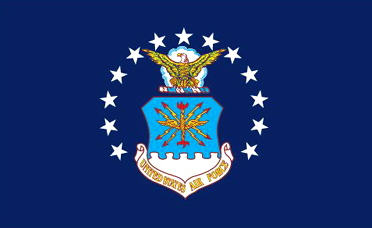 The National Security Act of 1947 called for the design of an official
seal for the Department of the Air Force. President Truman officially
approved the new seal on 1 November 1947.
The National Security Act of 1947 called for the design of an official
seal for the Department of the Air Force. President Truman officially
approved the new seal on 1 November 1947.


